01 Search and landing
Paid search and landing pages match the services you sell and the geography you serve.
- Campaign structure matches intent and territory.
- Landing paths match the offer in the ad.

HOUSTON · SERVICE BUSINESSES
We connect acquisition, call tracking, CRM, and weekly review. You see which sources produced qualified calls and form requests. You know what to change next.
Named sources · Qualified calls · Decisions written down
You run ads. Calls and form requests come in. You still cannot see which source produced them, which ones deserve follow-up, or what changed week to week.
Common gaps
Each stage feeds the next — from search to the weekly budget move. Nothing depends on a dashboard nobody opens.
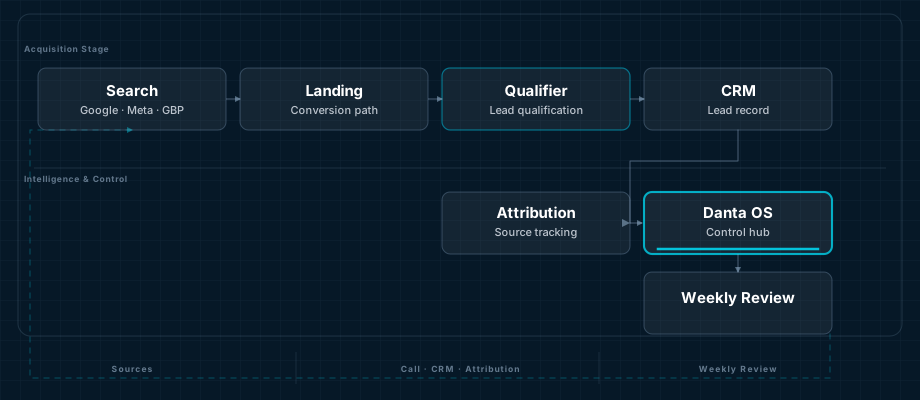
What each stage controls
Paid search and landing pages match the services you sell and the geography you serve.
Forms, calls, and messages keep source and context. The handoff to your team isn't a blank thread.
Source, status, and cost live in one record. Your team opens it without exporting five spreadsheets.
One short session turns activity into a single next move. Budget shifts cite the same view everyone saw.
Before spend increases, we map three things: how calls and form requests come in, how they're handled, and whether measurement matches what your team sees.
We review intake paths, tracking, and account access in writing. Gaps surface before money moves.
Each review ends with one written action. The next week starts from a shared baseline — not memory.
Ads and analytics stay in properties you control. History survives vendor changes.
This review is for operators who already see demand. You need clarity on cost, tracking, ownership, and follow-up.
This is not a pass-or-fail gate. It matches the next step to where you are today.
This is the right next step if:
Start here if:
Use this short list before you submit through the portal.
Next step
Submit through the portal. We read every request from Houston service categories where this model applies. If your business is ready, we reply with what to tighten before more ad spend.
Request a revenue review